Avoid hidden charges when hiring gardeners in Barking
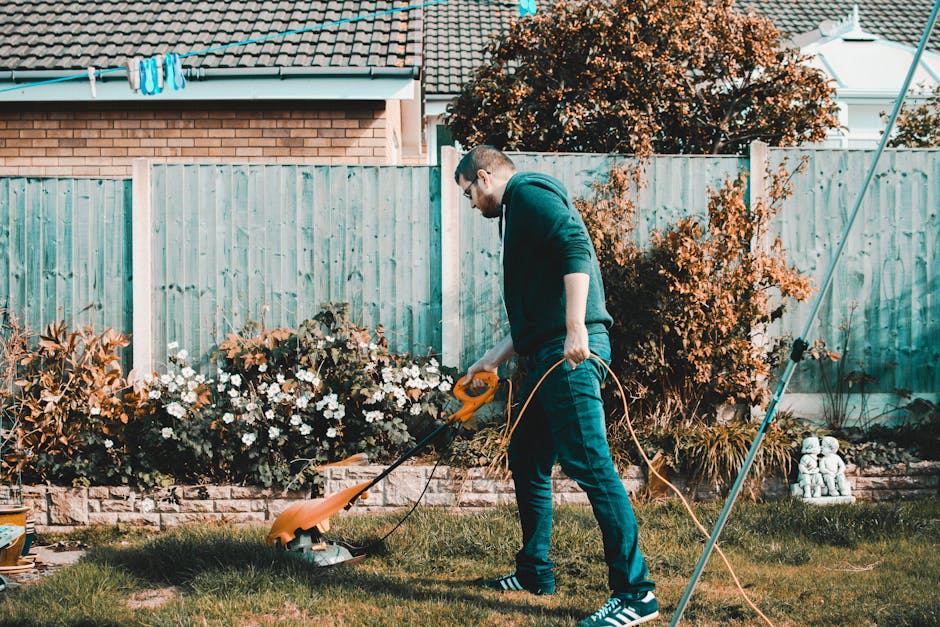
If you have ever asked for a gardening quote and then felt that uneasy little pause when the final bill arrived, you are not alone. Hidden charges can turn a straightforward tidy-up into an expensive headache, especially when you just wanted the lawn cut, the hedge shaped, or the whole garden brought back under control. This guide on how to avoid hidden charges when hiring gardeners in Barking will help you spot vague pricing, ask the right questions, and compare quotes properly so you can pay for the work you actually agreed to. Simple enough? In theory, yes. In practice, the details matter.
Whether you need one-off help after a busy season or regular garden maintenance, the goal is the same: clear expectations, no awkward surprises, and a job done properly. Let's get into the bits that really save you money.
Why hidden charges matter
Hidden charges are not just annoying. They change the whole decision-making process. A quote that looks competitive at first glance can become poor value if it excludes waste removal, fuel, VAT, labour beyond a short window, or access issues that were predictable from the start. That is especially frustrating in Barking, where gardens can vary a lot from small back spaces to larger, more complex plots with tight access, overgrown borders, or mixed green and general waste.
The real problem is uncertainty. If the price is unclear, you cannot compare providers fairly. One gardener may seem more expensive than another, but the second one may be leaving out charges that appear later. To be fair, most misunderstandings are not malicious. They happen because the quote was rushed, the scope was vague, or the customer assumed something was included when it was not. Still, the result is the same: a bill that feels higher than expected.
That is why transparent pricing matters so much. A good gardener should be able to explain what is included, what would trigger an extra charge, and how they handle changes once the job starts. If that explanation feels slippery, treat it as a warning sign.
Expert summary: The best way to avoid hidden charges is to define the job clearly before work begins, confirm what is included in writing, and ask specifically about waste, access, materials, and minimum fees. Most surprise costs hide in those four areas.
If you are comparing service options, it also helps to understand the wider menu of work offered locally. A good place to start is the site's services overview, which can help you see how different tasks are typically grouped and priced.
How hidden charges should be handled in a proper gardening quote
A trustworthy quote usually works in a fairly simple way: the gardener asks what needs doing, checks the size and condition of the garden, then prices the job based on labour, waste, tools, and any special requirements. The key is that the assumptions behind the quote are visible. If the gardener expects to spend three hours clearing brambles, that should be reflected. If they will need a van for waste disposal, that should be mentioned. No guesswork.
In real life, hidden charges often appear because one of those assumptions was never made clear. For example, a quote for hedge trimming may cover cutting the hedge, but not removing the cuttings. Or a lawn mowing price may assume the grass is in manageable condition, while an overgrown lawn needs extra time, extra machine effort, and sometimes a second cut. The job is the same in principle, but not in effort. That difference matters.
When you request a price, the gardener should ideally confirm:
- what work is included;
- how long the job is expected to take;
- whether waste removal is included or charged separately;
- whether materials, fuel, parking, or access add costs;
- whether VAT applies;
- what happens if the garden is in worse condition than described.
If you need a specific service, such as lawn mowing or hedge trimming, ask the provider to state whether cuttings and tidy-up are part of the quoted fee. That one question can save a lot of back-and-forth later. Honestly, it is one of those little questions that pays for itself.
Key benefits and practical advantages
Clear pricing is not just about avoiding bad experiences. It also makes the whole process easier and more relaxed. You can make a decision faster, budget more accurately, and feel confident about what you are paying for. That confidence matters when you are inviting someone into your property and expecting them to improve the space, not create more stress.
- Better comparison: You can compare like with like instead of comparing apples with... well, a basket of gardening apples and hidden pears.
- Less conflict: Fewer awkward conversations at the end of the job.
- More control: You decide whether extras are worth it before they are carried out.
- Improved trust: A gardener who explains pricing clearly is usually easier to work with generally.
- Safer budgeting: Especially useful for larger jobs like clearance or landscaping.
There is also a practical benefit that people overlook. Clear quotes help you prioritise work. You might decide to combine a one-off tidy with ongoing garden clearance or a longer-term garden maintenance plan if the numbers make sense. Without a transparent breakdown, that kind of decision is much harder.
For larger outdoor improvements, hidden charges can become especially painful because they can distort your overall project budget. If you are planning something more involved, such as landscaping or landscape gardening, clarity at the start is essential. Otherwise the price starts growing quietly, and nobody enjoys that.
Who this is for and when it makes sense
This approach matters for almost anyone hiring a gardener in Barking, but it is especially important in a few common situations.
- Homeowners with overgrown gardens: Jobs can look simple until the scale becomes clear on arrival.
- Landlords and letting agents: You need predictable costs for tenancy turnarounds and end-of-tenancy tidy-ups.
- Elderly homeowners or busy families: You may prefer a straightforward service without the hassle of checking every small detail.
- People arranging seasonal clear-ups: Autumn leaves, spring growth, and post-storm mess can all change the scope quickly.
- Anyone requesting multiple services: For example, lawn care, hedge cutting, and tree work together.
It also makes sense if you have had a bad experience before. Maybe the quote was verbal only. Maybe the gardener arrived and said the job was "more work than expected." Maybe the final bill included disposal, labour extensions, or extra visits that were never discussed. It happens. More often than it should, to be honest.
If your project includes tree work, ask even more carefully about scope and safety. Services like tree lopping and removal can involve additional considerations, and surprises are the last thing you want when equipment, access, and waste are involved.
Step-by-step guidance
Here is a simple process you can use before agreeing to any gardening work. It is not fancy, but it works.
1. Describe the job clearly
Do not just say "tidy the garden." That can mean ten different things. Explain the main tasks, the condition of the space, the size of the area, and any access issues. If there is a side gate, narrow path, steep steps, or a long carry from the front to the back, say so. Gardeners price with practicalities in mind, and those details matter.
2. Ask what is included
This is where hidden charges usually start to show their face. Ask if the quote includes labour, waste removal, loading, sweeping up, materials, and return visits if needed. If the answer feels broad or vague, ask again. You are not being difficult. You are being sensible.
3. Ask what is excluded
This is the question people forget. It often reveals the real cost boundaries. For example, a quote might not include disposal of heavy waste, digging out roots, removal of large branches, or extra time for severe overgrowth. Better to know upfront than discover it at the end of a long afternoon when everyone is tired and covered in grass clippings.
4. Request a written quote or message
Even a short written summary is better than memory alone. It should list the main tasks, the price, and any assumptions. That record protects both sides. If a price changes later because the job changed, there is something to refer back to.
5. Confirm payment terms
Ask when payment is due, what methods are accepted, and whether there are any charges for late payment or card processing. If you want to review payment information carefully, the site's payment and security page is a useful place to understand the general approach to secure transactions.
6. Make sure changes are agreed before extra work starts
If the gardener discovers an unexpected issue, such as a blocked corner full of waste or a hedge larger than described, agree the extra price before the work continues. This is the moment where many disputes begin. A quick conversation now saves a long one later.
7. Keep the quote and final invoice together
That sounds obvious, but it is one of the easiest ways to stay in control. If something looks off, you can compare the agreed scope with the final charge line by line.
Expert tips for better results
Here are the little habits that tend to separate smooth jobs from messy ones.
- Use photos when you request pricing. A few clear images of the whole garden, access points, and any problem areas can reduce misunderstanding.
- Ask for a breakdown if the price feels too neat. If a gardener can only give one lump sum with no explanation, be cautious.
- Watch for vague wording. Phrases like "subject to inspection" are normal in some cases, but they should still be tied to a clear explanation.
- Check whether disposal is charged per load, per bag, or as a fixed fee. Waste is one of the most common places where extras creep in.
- Be honest about the garden's condition. If the lawn is knee-high, say so. If there is heavy pruning needed, say so. Everyone wins when expectations are realistic.
- Ask if the quote covers tidy-up. A gardener who finishes neatly is worth paying for, but you should know whether that is part of the price.
Another practical tip: compare quotes using the same scope. If one gardener is pricing hedge trimming only, and another is including removal of arisings plus full sweep-up, those are not equal offers. A lot of people miss that. Then they wonder why the cheap quote was not actually cheap. It's a classic.
If you are also thinking about ongoing outdoor improvements, the same careful approach applies to projects like decking services or wider garden upgrades. The larger the project, the more important it becomes to pin down assumptions early.
Common mistakes to avoid
Most surprise charges happen because the customer and the gardener had different expectations. That is the short version. Here are the most common ways it goes wrong.
- Accepting a quote without asking what is included. The fastest route to confusion.
- Comparing prices without checking scope. Cheaper on paper can be dearer in reality.
- Assuming waste removal is free. Sometimes it is included, sometimes not, and sometimes there are conditions.
- Not mentioning difficult access. Long carries, narrow side paths, or parking constraints can affect labour time.
- Forgetting to ask about VAT. A quote that looks lower may not be the final figure you pay.
- Allowing extra work without agreement. Even a small add-on can snowball if it keeps happening.
- Relying only on a quick phone chat. Handy for first contact, not enough for accountability.
A small but important one: do not assume the gardener has seen every part of the garden just because they gave you a price over the phone. If they have not visited or reviewed good photos, there is a higher chance of mismatch. And then everybody is a bit cross, which nobody needs on a Thursday afternoon.
Tools, resources and recommendations
You do not need anything complicated to protect yourself from hidden charges. A few basic tools and habits are enough.
- Phone camera: Take clear images before requesting a quote, especially of overgrown areas and waste piles.
- Simple note list: Write down what you want done, what must be included, and what would be extra.
- Message or email record: Keep written confirmation of the agreed scope and price.
- Comparison sheet: Even a basic table helps you compare quotes like-for-like.
- Service information pages: Review relevant pages such as lawn mowing, hedge trimming, and garden clearance so you understand how services are typically described.
It is also wise to check a company's approach to trust and accountability. Pages such as about us, insurance and safety, and complaints procedure can give you a feel for how seriously they take professionalism, safety, and customer handling. You do not need a lecture. Just enough to know they are organised.
If you are concerned about how personal information is handled during enquiries or booking, it is also sensible to review the site's privacy policy. That is standard good practice, nothing dramatic.
Law, compliance, standards and best practice
In the UK, gardening services are not all regulated in the same way, but there are still important standards and duties that responsible providers should follow. The exact obligations depend on the work involved. For example, basic garden care is different from tree removal, and both are different again from building-style landscaping tasks.
Best practice usually includes:
- clear quotation terms before work begins;
- reasonable explanation of additional charges;
- safe use of tools and equipment;
- appropriate insurance for the work undertaken;
- clear handling of waste and disposal;
- honest communication if the job changes.
For more involved or higher-risk jobs, such as tree work or jobs requiring machinery, safety and insurance should not be treated as optional extras. If the provider has a documented approach to health and safety and insurance and safety, that is a reassuring sign. It does not guarantee perfection, of course, but it shows the business is thinking about the right things.
Waste handling is another area where clear practice matters. If a gardening job creates a large amount of green waste, branches, soil, or mixed debris, you should know how that will be removed and whether the cost is already included. A provider that explains this calmly and upfront is usually much easier to trust than one that shrugs and says, "We'll sort that later." Later is often where the surprise lives.
There is also a broader ethical layer. Many customers prefer businesses that demonstrate responsible operations, including recycling where possible and reducing unnecessary waste. If that matters to you, the site's recycling and sustainability page is worth a look.
Options, methods, or comparison table
One of the easiest ways to avoid hidden charges is to understand how pricing structures differ. A "cheap" quote can be fine, but only if you know what kind of price it is. Here is a practical comparison.
| Pricing approach | How it usually works | Potential risk | Best for |
|---|---|---|---|
| Fixed price | One agreed amount for a defined job | If the scope is vague, extras may still appear | Clear, well-scoped tasks |
| Hourly rate | You pay for time spent on site | Final cost can rise if the job takes longer than expected | Jobs with uncertain complexity |
| Quoted project price | Price based on site visit and brief | Assumptions need to be documented carefully | Clearing, pruning, landscaping |
| Per-task pricing | Each job item priced separately | Small add-ons can add up quickly | Customers who want flexibility |
In plain English: fixed price is usually easiest to budget, hourly pricing can be fair for messy or unknown jobs, and itemised pricing gives the most visibility if the breakdown is detailed enough. If you are booking a one-off garden tidy, the best option is often the one that spells out labour, materials, and disposal in the clearest way.
If your needs span several services, ask whether a combined quote makes more sense than separate visits. Sometimes it does. Sometimes it doesn't. A good provider will explain why, rather than forcing a neat answer where one does not really exist.
Case study or real-world example
Here is a realistic example. A homeowner in Barking wanted a spring tidy after a wet, messy winter. The garden looked straightforward enough from the back door: a lawn, a hedge, and some leaf build-up near the fence. The first quote sounded attractively low, but it only covered cutting the lawn and trimming the visible hedge face. Waste removal, rear access carry time, and the removal of a broken branch pile were all extra.
The second quote was slightly higher, but it included clearance of all cuttings, sweep-up, and disposal. It also noted that if the hedge was thicker than expected, the price might rise after inspection, but only with approval before work continued. That second quote ended up being the better value because there were no awkward add-ons at the end.
That kind of situation is common. The cheapest headline number is not always the cheapest job. Sometimes it is just the least complete one. And honestly, nobody wants the surprise bill moment when the van door is already shut and the garden still looks half-finished.
This is why it helps to think in terms of total value, not just headline cost. A transparent provider saves time, reduces stress, and usually does the job more neatly because expectations are clear from the start. The result feels better. You notice it when you step outside the next morning and the space just looks calmer.
Practical checklist
Use this checklist before you say yes to any gardener in Barking.
- Have I described the garden clearly, including access and condition?
- Do I know exactly what the quoted price includes?
- Have I asked what is excluded or chargeable as an extra?
- Do I know whether waste removal is included?
- Have I confirmed whether VAT applies?
- Is the quote written down in a message, email, or document?
- Do I understand how extra work will be approved?
- Have I checked payment terms and timing?
- Have I compared quotes using the same scope?
- Have I reviewed the company's service and trust information where relevant?
If you can tick most of those off, you are in a much stronger position. Not perfect, maybe, but definitely better. And sometimes "better" is exactly the win you need.
Conclusion
Hidden charges are usually avoidable when you slow things down just enough to ask the right questions. Clear scope, written confirmation, honest communication, and a few practical checks will protect you far more effectively than chasing the lowest number on a page. In Barking, where gardens can range from tidy courtyards to heavily overgrown spaces, that clarity is worth its weight in compost.
Focus on total value, not just the first price you hear. Ask what is included. Ask what is not. Ask how changes are handled. That small bit of diligence can save you money, time, and a fair bit of irritation. And really, gardening should improve your life, not add admin to it.
If you are planning a one-off tidy, ongoing care, or a bigger outdoor project, take the time to compare properly and choose the option that feels clear, fair, and straightforward. A good garden job should leave you with fresh air, a neat finish, and no nagging sense that something was left unsaid. That's the goal, after all.
Get a free quote today and see how much you can save.
Frequently Asked Questions
How do I know if a gardener in Barking is likely to add hidden charges?
Watch for vague quotes, unclear wording, or reluctance to explain what is included. If waste removal, access issues, or VAT are not mentioned, ask directly before agreeing.
Should a gardening quote be written down?
Yes, ideally. A written quote or message gives you something to refer back to if the scope changes or a bill looks different from what was discussed.
Is waste removal usually included in garden pricing?
Sometimes yes, sometimes no. It depends on the provider and the size of the job. Always ask whether cuttings, green waste, and heavier debris are included in the price.
What are the most common hidden charges when hiring gardeners?
The most common extras are waste disposal, extra labour time, difficult access, parking or loading issues, and work that goes beyond the original description.
Is hourly pricing risky?
It can be, if the job is unclear. Hourly pricing is fair in the right situation, but you should still ask for an estimate and a clear explanation of what would make the job take longer.
How can I compare two gardening quotes fairly?
Compare the same scope of work, not just the same price. Check whether each quote includes labour, materials, waste removal, sweep-up, and any extra conditions.
What should I ask before booking garden clearance?
Ask what types of waste are included, how much waste can be taken, whether loading and disposal are covered, and whether there will be extra charges for heavy or mixed waste.
Do I need to worry about VAT in a gardening quote?
Yes, you should ask whether the price includes VAT or not. A quote that seems cheaper may become more expensive once tax is added, so it is worth confirming early.
Can I stop extra work if the gardener finds more to do than expected?
Yes. You should always agree to extra work before it starts. If the gardener finds something unexpected, ask for the revised cost and decide whether you want to continue.
What if the final bill is higher than agreed?
Compare the invoice with the quote and ask for a clear explanation. If there was no agreement for the extra charges, refer back to the written record and raise the issue calmly.
Are insurance and safety important when hiring gardeners?
Very much so, especially for larger jobs, tree work, or anything involving tools and higher risk. It is sensible to check that the business has a clear approach to safety and insurance.
What is the best way to avoid problems from the start?
Be specific about the job, ask what is included and excluded, get the price in writing, and make sure any changes are approved before the work continues. That simple routine prevents most surprises.