Barking Riverside gardeners guide to small garden maintenance
If you live in Barking Riverside, you already know the charm of a smaller garden: a bit of privacy, a patch of green, maybe a terrace, courtyard, balcony edge, or compact lawn that has to work hard all year. The flip side is just as familiar. A small space can go from tidy to tangled surprisingly quickly. This Barking Riverside gardeners guide to small garden maintenance is here to make that easier, with practical advice that fits real homes, real schedules, and the kind of weather that can turn a neat border into a muddle after one damp week.
Small gardens need less time than bigger ones, yes, but they often need more thought. Every plant, pot, and path matters. A few simple routines can keep the space looking crisp without spending every weekend outside. In this guide, you'll find a clear maintenance method, what to prioritise, common mistakes, and when it makes sense to bring in professional help. To be fair, small gardens can be the most satisfying to maintain once you know the rhythm.
If you're considering support from a local team, you may also find it useful to look at our garden services overview, read more about our approach, or check pricing and quotes before deciding what level of help you need.
Table of Contents
- Why small garden maintenance matters in Barking Riverside
- How the maintenance process works
- Key benefits and practical advantages
- Who this is for and when it makes sense
- Step-by-step guidance
- Expert tips for better results
- Common mistakes to avoid
- Tools, resources and recommendations
- Law, compliance, standards and best practice
- Options, methods and comparison table
- Case study or real-world example
- Practical checklist
- Conclusion
- Frequently asked questions
Why Barking Riverside gardeners guide to small garden maintenance Matters
Small gardens are often underestimated. People assume they'll be easy because there is less square footage, but that can be misleading. A compact garden exposes neglect faster: weeds show up more clearly, edges look scruffy sooner, and one overgrown shrub can dominate the whole space. In a tightly planned garden, maintenance is not just cosmetic. It affects how the garden feels, how safe it is to use, and whether it stays enjoyable in every season.
In Barking Riverside, a lot of outdoor spaces are exposed to wind, shade from buildings, and the usual London mix of rain, pollen, and dust. That means regular attention helps prevent little problems from turning into bigger ones. Think of it as keeping the garden in balance rather than constantly "fixing" it. A bit of trimming here, a quick weed check there, and suddenly the whole place feels calmer.
There is also a practical side. Small gardens often double as somewhere to sit, dry washing, grow herbs, or let children play. If the space becomes cluttered or muddy, it stops working properly. Maintenance keeps it usable. And let's face it, a neat outdoor space makes a flat or house feel better the moment you step outside.
Expert summary: the best small-garden maintenance is not about doing everything at once. It is about small, regular jobs that stop the garden becoming high-maintenance in the first place.
How Barking Riverside gardeners guide to small garden maintenance Works
The process is simple enough, but it works best when it follows a rhythm. A good maintenance routine for a small garden usually moves through four phases: observe, tidy, protect, and improve. That might sound a bit formal, but in practice it is just a sensible way of staying on top of things.
1. Observe what the garden is actually doing
Walk the space first. Look for weeds, dead leaves, broken stems, blocked drains, water pooling, pests, tired compost, and plants that have simply outgrown their spots. In small gardens, a single issue can affect the whole layout. For example, one pot with poor drainage can create a wet patch that makes the area feel messier than it really is.
2. Tidy without stripping the garden bare
Remove spent flowers, tidy edges, collect fallen leaves, and clear anything that does not belong there. You are aiming for order, not emptiness. A tiny garden can look bleak if everything is cut back too hard. The trick is to keep structure while making it easier to move through the space.
3. Protect the planting
This is where maintenance becomes care. Mulch beds if they dry out quickly, water deeply rather than constantly, and check whether plants are getting enough light. In compact gardens, adjacent walls and fences can create hot spots in summer and damp pockets in winter. Plants notice that stuff. So should you.
4. Improve in small increments
Once the garden is stable, improve one thing at a time. Maybe that means refreshing compost, replacing a tired shrub, or creating more storage so tools are not lying around. Small gardens reward restraint. A few smart changes usually beat a full overhaul.
If you want a more structured service plan, it may help to review our full range of gardening services and compare it with quote options so you can match the support to the actual condition of the space.
Key Benefits and Practical Advantages
Regular small-garden maintenance is not only about keeping things neat. It brings a few very real benefits that become obvious after a while.
- Better use of space: when plants are controlled and pathways are clear, the garden feels larger.
- Lower long-term effort: little jobs done often prevent the dreaded weekend rescue mission.
- Healthier plants: regular deadheading, feeding, and pruning support steadier growth.
- Less pest and disease pressure: removing debris and checking foliage helps you spot problems early.
- Safer access: neat paths, stable pots, and trimmed edges reduce trip hazards.
- More consistent appearance: a small garden looks its best when it has a predictable routine.
There is another benefit people sometimes overlook: confidence. Once you know what to do, the garden stops feeling like a job that keeps shouting for attention. You look outside, see a manageable space, and think, right, I can handle that. That shift matters.
Who This Is For and When It Makes Sense
This guide is useful for homeowners, tenants with private outdoor space, landlords looking after compact gardens between lets, and anyone responsible for a small front or rear garden in Barking Riverside. It is especially helpful if your outdoor area has one or more of the following characteristics:
- a narrow layout with limited access
- raised beds, pots, or planters that dry out quickly
- patchy lawn areas that need careful mowing
- shaded corners where moss and damp build up
- boundary planting that needs light pruning rather than major reshaping
- a desire to keep the garden tidy without spending hours each week on it
It also makes sense if you have a garden that has slipped behind and you are not sure where to begin. Truth be told, that is one of the most common situations we see. People do not need a massive redesign. They just need the place brought back under control, then kept there.
If you are comparing providers, check whether they are clear about process, communication, and standards. That is often a better sign than a flashy promise. You can also review the company background through the about us page and contact the team via the contact page if you want to ask a few practical questions first.
Step-by-Step Guidance
Here is a simple routine you can use for small garden maintenance. It is flexible enough for weekly, fortnightly, or monthly care, depending on the season and how much growth you get.
Step 1: Clear the obvious debris
Start with leaves, twigs, faded blooms, dead stems, and any windblown litter. It sounds basic because it is, but this step creates instant visual improvement. In small gardens, first impressions matter more than people think.
Step 2: Weed properly, not lazily
Pull weeds from the root where possible. If the soil is dry and compacted, water lightly first so roots release more easily. In paving joints or gravel, it helps to remove weeds before they seed. A tiny seed-head can become a much bigger issue by the next damp spell.
Step 3: Trim and shape
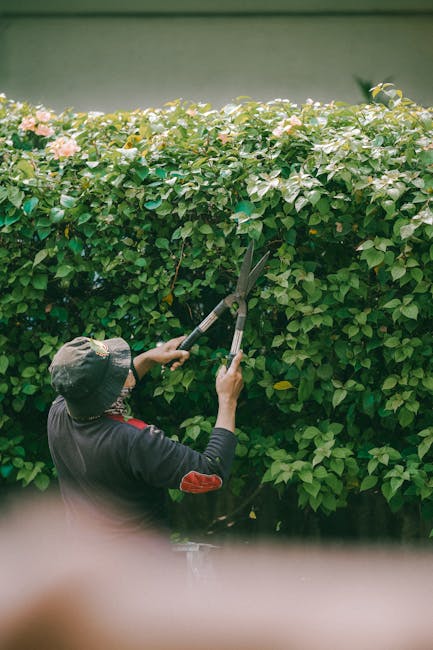
Cut back any plant growth blocking paths, windows, gates, or seating areas. Focus on shape rather than heavy reduction unless a shrub truly needs rejuvenation. In small spaces, clean lines create calm. A slightly uneven hedge or overhanging climber can make the whole area feel cramped.
Step 4: Check soil and containers
Loose compost, thirsty pots, and tired soil are common in compact gardens. Top up containers where needed, replace exhausted compost, and break up the surface gently so water can penetrate. Container plants are often the first to look stressed, especially near walls and on sunny terraces.
Step 5: Water with intention
Water deeply and less often rather than giving little splashes every day. That helps roots grow more strongly. Early morning or evening watering is usually more efficient because less moisture is lost to the sun or wind. Simple, but it works.
Step 6: Feed and mulch where appropriate
Not every garden needs the same feeding schedule, but many compact spaces benefit from a light seasonal refresh. Mulch can help conserve moisture and suppress weeds. It also gives beds a more finished look, which in a small garden is a lovely thing. No, really, a neat mulch layer can quietly do a lot.
Step 7: Reset the space
Finish by standing back and checking sightlines. Can you still move easily? Do the borders feel balanced? Are any tools, pots, or ornaments cluttering the view? Small gardens are unforgiving in a good way: you immediately see what works and what doesn't.
| Task | Best frequency | What to look for |
|---|---|---|
| Weeding | Weekly in growing season | New shoots, gravel weeds, paving cracks |
| Deadheading | Weekly or as needed | Spent blooms, seed heads, tired-looking plants |
| Pruning | Seasonal light pruning | Blocked paths, overgrowth, crossing stems |
| Watering | As needed by weather | Dry compost, wilting leaves, cracked soil |
| General tidy | Weekly or fortnightly | Leaves, debris, clutter, broken items |
Expert Tips for Better Results
Small gardens reward a light touch. If you push too hard, they can look harsh. If you do too little, they turn messy quickly. The sweet spot is somewhere in the middle.
- Use repetition in planting: one or two plant types repeated through the space often looks more elegant than a jumble of different shapes.
- Keep a few vertical elements: trellis, climbers, or slender shrubs add height without eating up floor space.
- Choose containers carefully: large pots are often easier to manage than many tiny ones. Fewer watering headaches too.
- Cut back little and often: frequent light trimming usually creates a better shape than a dramatic haircut every few months.
- Watch corners first: corners collect dead leaves, weeds, and damp. They're the sneaky bits.
- Protect soil structure: avoid overworking wet soil, especially after heavy rain.
One simple habit that helps a lot: take a photo of the garden every few weeks from the same spot. You will notice drift before it becomes obvious in real life. It sounds fussy, maybe, but it helps. And if a plant starts leaning into the path like it owns the place, you'll spot it immediately.
Common Mistakes to Avoid
Small garden maintenance problems often come from overcorrection rather than neglect. That sounds odd, but it is true. People want quick improvement and accidentally create more work for themselves.
1. Over-pruning
Cutting too much at once can leave a garden bare and expose plants to stress. It can also remove the structure that makes a small garden feel finished. Be selective.
2. Using too many different materials
Mixing lots of paving, pots, edging styles, and decorative features can make a small garden feel cluttered. Simpler usually wins.
3. Ignoring drainage
Waterlogged corners, blocked channels, or pots without drainage holes can create ongoing headaches. In a small garden, poor drainage is visible quickly.
4. Letting one plant dominate
Fast-growing shrubs, climbers, and grasses can overtake a small layout before you know it. Regular containment is easier than recovery.
5. Keeping tired items "just for now"
Broken pots, rotting wood, or old plant supports tend to stay in place far longer than planned. They drag the whole garden down. We all do it, of course, but it helps to be ruthless now and then.
Tools, Resources and Recommendations
You do not need a shed full of specialist kit to maintain a small garden well. A few dependable tools are enough.
- hand trowel
- border fork or cultivator
- pair of secateurs
- lightweight pruning saw for occasional thicker stems
- watering can or hose with gentle attachment
- gloves with a good grip
- rake for leaves and debris
- bucket or trug for collecting waste
For most compact gardens, simplicity is better than a long shopping list. A sturdy pair of secateurs and a decent trowel get used far more often than the fancy tools people buy and then forget. Happens all the time.
On the service side, it helps to choose a team that explains how they work, how they handle safety, and how they manage waste. If sustainability matters to you, our recycling and sustainability information explains the general approach to greener garden care. For practical trust details, you can also review health and safety guidance and insurance and safety information.
Law, Compliance, Standards, or Best Practice
For routine garden maintenance, there is usually no heavy compliance burden for homeowners. Still, there are a few sensible best-practice points worth keeping in mind, especially if a contractor is doing the work.
First, waste should be handled responsibly. Green waste, soil, and mixed garden debris should not simply be dumped. A professional service should be clear about how clippings and waste are removed or recycled where possible. Second, tools and ladders should be used safely. In small gardens, the working space may be tight, so safe access matters more than people expect.
Third, if you are a landlord or managing communal-adjacent outdoor space, you should think about regular upkeep as part of general property care. That is less about flashy standards and more about keeping the place safe, tidy, and presentable. Clear paths, secure structures, and maintained edges are sensible expectations.
Finally, it is wise to choose providers who are transparent about terms, payment, and customer process. That is simply good practice. If you want to check the small print before booking, our terms and conditions and payment and security information are available for review.
Options, Methods, or Comparison Table
Not every small garden needs the same maintenance style. Some people want a quick tidy-up; others need an ongoing plan. Here is a straightforward comparison.
| Approach | Best for | Pros | Watch out for |
|---|---|---|---|
| DIY maintenance | Very small or low-complexity gardens | Flexible, low cost, immediate control | Easy to fall behind if life gets busy |
| Occasional professional tidy | Seasonal resets and overgrown spaces | Fast improvement, expert handling of awkward jobs | Less effective without a follow-up routine |
| Regular scheduled care | Gardens that need consistent presentation | Reliable, easier to maintain long-term, better finish | Requires commitment and a clear scope |
If your garden is already manageable, a once-a-month visit may be enough. If it is used daily or visible from the street, regular maintenance usually pays off because the garden never gets a chance to slide. That is often the deciding factor.
Case Study or Real-World Example
Here is a typical scenario. A compact rear garden in Barking Riverside has a small lawn, a couple of raised planters, a narrow path, and one corner shrub that has grown a bit too confidently. Nothing dramatic. Just the usual drift that happens over a few months.
The first visit focuses on clearing debris, removing weeds from the paving joints, trimming back the shrub so it no longer squeezes the walkway, and refreshing the planters with compost. The lawn is edged, the pots are grouped more neatly, and a simple watering routine is set out for warmer weather. Nothing flashy. But the change is immediate. The garden feels wider, lighter, and easier to use.
A few weeks later, the space stays in shape because the maintenance plan is realistic. That is the bit people often miss. The best garden jobs are the ones you can keep up with. A dramatic one-off transformation is lovely, sure, but a stable routine is what saves you from the next overgrown phase.
Practical Checklist
Use this checklist to keep a small garden in good shape through the year.
- Remove leaves, debris, and fallen petals regularly
- Weed borders, paving, gravel, and pot surfaces
- Deadhead flowers before they go to seed where appropriate
- Trim back anything blocking paths or windows
- Check container drainage and refresh tired compost
- Water deeply in dry periods rather than lightly every day
- Inspect for pests, disease, or weak growth
- Keep tools, pots, and furniture stored neatly
- Review whether any plant has outgrown its space
- Schedule a seasonal tidy before growth surges or winter sets in
If you can keep those ten things moving, the garden will feel under control far more often than not.
Conclusion
Small garden maintenance is about creating a space that stays enjoyable, not one that constantly needs rescuing. In Barking Riverside, where outdoor areas can be compact, exposed, and very visible, a simple and consistent routine makes all the difference. Tidy edges, sensible pruning, healthy soil, and a little seasonal attention go a long way.
The real win is that a small garden can become easier over time, not harder. Once the rhythm is in place, you spend less energy catching up and more time actually using the space. That is the point, really.
If you would like professional help keeping your garden tidy, safe, and manageable, take a look at our services overview or learn more about our local team on the about us page. If you are ready to talk through your garden and get a clearer idea of what is needed, get in touch and we can help you decide the next sensible step.
Get a free quote today and see how much you can save.
Frequently Asked Questions
How often should a small garden in Barking Riverside be maintained?
For most small gardens, a light tidy every one to two weeks during active growing periods works well. In winter, the schedule can usually be reduced, but it is still wise to check for leaves, debris, and any plants needing protection.
What does small garden maintenance usually include?
It typically includes weeding, edging, pruning, deadheading, clearing debris, checking plant health, watering where needed, and keeping paths or seating areas neat. Some gardens also need seasonal mulching or container refreshes.
Can a small garden look bigger with better maintenance?
Yes. Clean lines, controlled planting, and clear access points often make a compact garden feel noticeably larger. Even a few inches of overgrowth can change how spacious it feels.
Is professional maintenance worth it for a tiny garden?
Often, yes, especially if you want a consistent finish or do not have time to stay on top of it. A tiny garden can still be surprisingly fiddly, and professional care can prevent small issues from building up.
What are the hardest parts of maintaining a small garden?
Keeping weeds down, preventing one plant from dominating, and managing water correctly are usually the main challenges. Small spaces magnify both good and bad habits.
How do I stop my small garden from looking cluttered?
Use fewer materials, keep storage tidy, choose compact planting, and avoid filling every corner. Simpler layouts often feel calmer and more spacious. Less, in this case, really can be more.
What should I do before a gardener visits?
Clear access if you can, move fragile items out of the way, and mention any problem areas such as drainage, overgrown shrubs, or broken features. That helps the work start smoothly and keeps the visit focused.
Do small gardens need pruning as much as bigger ones?
They often need it more frequently, just in smaller amounts. Because there is less room to absorb growth, even modest overhangs can quickly interfere with the layout.
How can I tell if my soil or compost needs refreshing?
If the soil looks tired, compacted, or water struggles to soak in, it may need attention. In containers, compost that has broken down too much will usually look flat, dry quickly, and support weaker growth.
What is the best time of year for a reset?
Spring and early autumn are often good times for a deeper tidy or refresh, because planting can recover more easily and the weather is usually kinder. That said, a small garden benefits from attention in every season.
Are there any safety issues with maintaining a small garden?
Yes, mainly trip hazards, slippery surfaces, awkward access, and tool handling in tight spaces. A careful approach matters, especially where paths are narrow or pots and furniture are close together. For more detail, our health and safety policy explains the general approach we take.
How do I choose between one-off tidy-ups and ongoing maintenance?
If the garden is currently overgrown, a one-off tidy-up may be the best starting point. If you want it to stay neat, ongoing maintenance usually makes more sense. Many people begin with a reset and then move into a lighter routine from there.
What if I want to know costs before booking?
The best step is to ask for a tailored quote, because small gardens vary a lot in layout and condition. You can review our pricing and quotes information and then contact us for a clearer estimate based on your space.
In the end, a small garden should feel like a breathing space, not another chore hanging over you. Keep it simple, keep it regular, and it will give you far more back than it asks for.