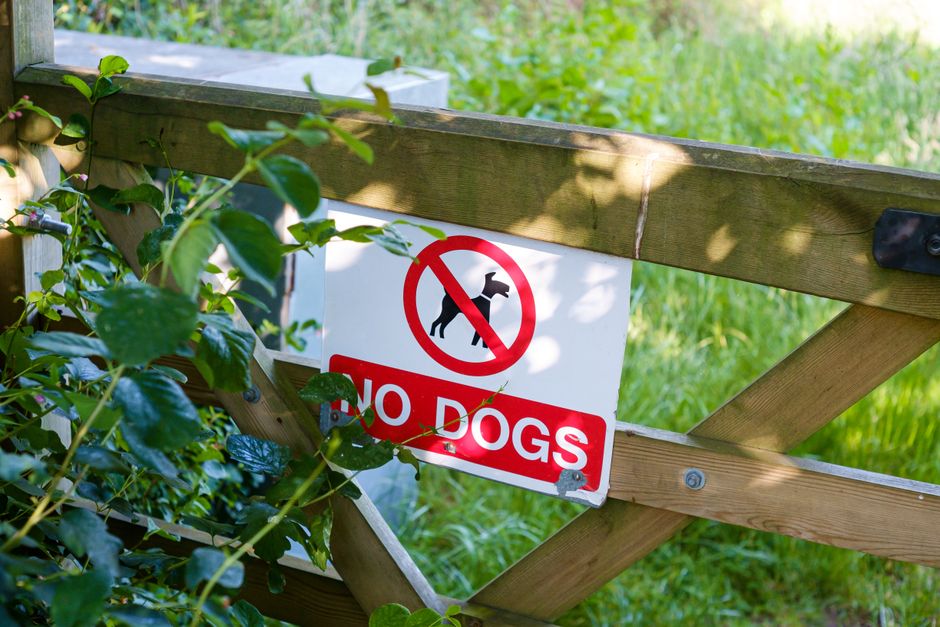
Common problems with garden access for Barking gardeners
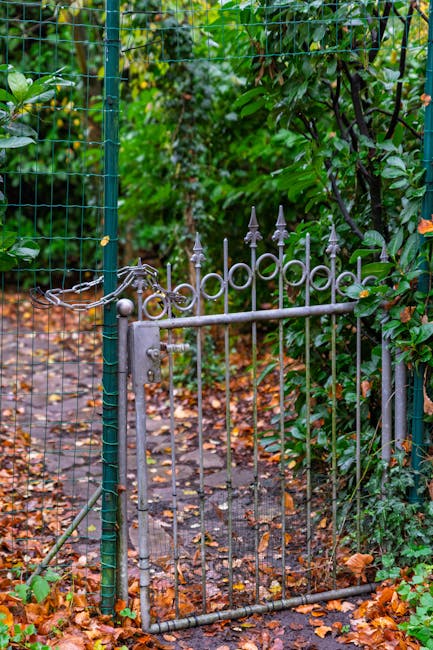
If you have ever tried to move a mower through a tight side passage, carry bags of hedge cuttings past a parked car, or wriggle a wheelbarrow around a recycling bin, you already know the issue. Common problems with garden access for Barking gardeners are rarely dramatic, but they can slow a job down, add labour, and make even simple maintenance feel awkward.
In Barking, access issues often come down to layout: narrow alleyways, shared entrances, gated gardens, stepped routes, awkward corner plots, and the everyday realities of London parking. Truth be told, the garden itself is not always the hard part. Getting to it can be the real challenge.
This guide breaks down the most common access problems, why they matter, how professionals work around them, and what you can do before a gardener arrives. It also covers safety, planning, and the service choices that tend to work best when access is less than ideal.
Expert summary: Good garden access is not a luxury; it is part of an efficient, safe, and tidy job. The better the access plan, the less disruption for you and the less guesswork for the gardener.
Why Common problems with garden access for Barking gardeners Matters
Garden access affects almost every part of a job. If a gardener has to spend twenty minutes moving tools through a narrow route, the visit becomes less efficient straight away. If waste has to be carried out in small loads, clearance takes longer. If a lawn mower will not fit through the gate, that changes the plan for the day. Simple enough in theory, annoying in practice.
For homeowners and landlords, poor access can also affect the finish. A delayed start may mean less time for detailed work. Repeated trips through the house can increase the risk of muddy footprints, scratched floors, or accidental damage to plants and fencing. Nobody wants that, especially when the weather has already turned the path slippery and the bins are in the way.
In a busy area like Barking, access matters even more because outside space is often shared with neighbours, bins, bikes, prams, sheds, or parked vehicles. A garden that looks manageable from the back door can turn out to be a bit of a puzzle once you try to get equipment in and out. That is where planning makes all the difference.
If access is tight enough to affect the kind of work you need, it can help to think beyond the garden itself. Some tasks are easier when supported by wider property improvements, for example practical landscaping work, decking services, or a one-off tidy-up through garden clearance. The right approach depends on the space, not just the wish list.
How Common problems with garden access for Barking gardeners Works
Most access problems fall into a few predictable categories. Once you know what they are, it becomes much easier to spot them before a job starts. Gardener visits usually go more smoothly when the route in, the route through, and the route back out are all considered.
1. Narrow entry points
Side gates, shared passages, and older terraced properties often have slim access routes. A push mower, ladder, hedge trimmer, or rubble sack may fit with millimetres to spare, which is not ideal when you are trying to move quickly. Even if equipment does fit, it may need to be carried rather than wheeled.
2. Long or awkward routes to the garden
Some gardens sit at the back of a property with a long path through the house, hallway, or communal area. That means more time spent protecting surfaces, more careful carrying, and more chance of collisions with walls, corners, or ornaments. It sounds minor. It rarely feels minor on the day.
3. Locked, stuck, or hard-to-use gates
A gate that sticks in damp weather, has a fiddly latch, or needs a separate key can create a surprising bottleneck. If someone has to keep opening and closing it with muddy hands, the flow of work slows down fast. Small thing, big effect.
4. Limited parking and loading space
In London, parking is often part of the access issue. If a vehicle cannot stop close to the property, tools and waste have to be carried further. That affects timing, manpower, and how much material can realistically be removed in one visit. For larger jobs, this can be the difference between a tidy half-day and a job that spills into another visit.
5. Physical obstructions
Bins, bikes, children's toys, climbing frames, compost tubs, piles of branches, and overgrown shrubs can all block the access route. Sometimes the path itself is clear, but there is no actual space to move. It happens more often than people think.
6. Uneven surfaces and steps
Slabs that rock, steep steps, muddy strips, or loose gravel can make moving equipment awkward and unsafe. In wet weather, this becomes more than an inconvenience. It is a slip hazard.
There is no magic fix for every site. But there is a process. First, identify the bottleneck. Then decide whether the job can be done with standard equipment, smaller tools, or a different sequence of work. If not, the gardener may need to change the plan, and that is usually better than forcing a setup that does not suit the space.
Key Benefits and Practical Advantages
Sorting access properly does more than save time. It changes the whole experience of the visit. A well-planned route means less noise, less dragging, fewer awkward pauses, and a cleaner finish. That may sound obvious, but the difference is real once the work gets underway.
- Faster turnaround: Less time spent carrying tools and waste means more time spent on the actual garden work.
- Lower risk of damage: Good access planning reduces knocks, scuffs, broken pots, and accidental plant damage.
- Safer working conditions: Clear routes and stable surfaces reduce trips, slips, and strain injuries.
- Better results: When the team is not fighting the access route, the quality of finishing tends to improve.
- Less disruption for you: Fewer trips through the house and fewer back-and-forth questions make the visit feel calmer.
There is also a commercial benefit if you are comparing services. A company that explains access limitations clearly is usually showing a more realistic approach to the job. That is a good sign. You want confident planning, not overpromising. Nobody wins when a quote is based on wishful thinking.
For ongoing upkeep, access-friendly planning helps with regular visits too. Routine jobs like garden maintenance, lawn mowing, and hedge trimming become much easier when the route in and out is predictable.
Who This Is For and When It Makes Sense
Garden access planning is useful for almost anyone, but it becomes essential in certain situations. If your garden is straightforward and fully open, you may barely notice it. If the layout is tight, you will notice very quickly.
Homeowners
Homeowners often need access help when the garden backs onto a lane, has a narrow side passage, or relies on entry through the house. It is also common when the garden has been left untidy for a while and needs a bigger reset rather than a light trim.
Landlords and letting agents
When time is short between tenancies, access becomes a scheduling issue as much as a practical one. A blocked route can delay clearance, mowing, or hedge cutting. That matters when you are working to get a property ready. A quick look at pricing and quotes can also help set expectations early, especially if the site is not easy to work on.
Older properties and shared homes
Shared access brings extra complications: keys, permissions, neighbour awareness, and the simple fact that someone else may need the route clear too. In older terraced streets, the garden may be perfectly manageable once you get in, but getting in is the whole game.
Busy households
If there are children, pets, bikes, bins, or everyday clutter near the access route, this topic matters. Not because the garden is a problem, but because the route is active. You need a plan that respects daily life. Let's face it, no one wants to move three wheelie bins every Tuesday morning just to cut the grass.
Jobs that involve heavy or bulky materials
Clearance, tree work, and landscaping usually involve bulkier waste or heavier kit. That means access problems become more important. If you are planning tree work, for instance, the route out for branches and debris should be thought through before any cutting begins. The same is true for tree lopping and removal and larger landscape gardening projects.
Step-by-Step Guidance
If you are preparing for a garden visit, a simple step-by-step approach usually works best. Nothing fancy. Just clear thinking and a few minutes of preparation.
- Walk the full route: Start at the street or parking point and walk all the way to the garden. Notice narrow sections, steps, locks, low branches, and clutter.
- Measure the tight spots: A gate that looks "fine" may still be too tight for a mower or barrow once you factor in handles and awkward angles.
- Check for obstacles: Move bins, toys, bags, hose pipes, plant pots, and anything else that narrows the route.
- Confirm where equipment can be parked: If a van or trailer cannot stop close by, tell the gardener in advance so they can plan loading and unloading properly.
- Share access instructions early: Key location, security codes, neighbour arrangements, or communal gate details should be shared before the visit if possible.
- Protect indoor routes if needed: If the garden can only be reached through the house, lay down protection for floors and clear a direct path.
- Decide what can be left until later: Some jobs work best in sections. For example, a gardener might tackle clearance first and then return for shaping or planting once the route is clearer.
That sequence sounds simple because, honestly, it is. But simple is good here. Access problems often start when too many people assume "it'll be fine on the day." Usually it will not be, or at least not without some shuffling around.
Expert Tips for Better Results
The best access solutions are often small ones. A few smart changes can make a job noticeably easier. Here are some approaches that tend to work well in Barking and similar London settings.
Choose the right service approach for the space
If access is tight, the most suitable service may not be the most obvious one. A full-scale landscaping project might be possible, but only if the route can handle materials and machinery. In other cases, a cleaner, staged approach works better. A quick review of services overview can help you think through what is realistic for the site.
Use smaller, lighter equipment where possible
Smaller tools often take longer, but they can be the right choice where access is limited. A compact mower, hand tools, and manageable waste loads can sometimes solve the problem without making a mess of the route.
Schedule clearance before detail work
If the garden is overgrown, blocked, or full of old waste, clearing access first is often the smartest move. Once the route is opened up, trimming and mowing become much more straightforward. In many cases, the path to a good finish starts with a proper clear-out. No glamour there, just good sense.
Think about waste as part of access
Waste removal is not separate from access. It is access. If cuttings, bags, or branches cannot get out easily, the garden can look tidy for ten minutes and then turn chaotic again. Planning the exit route matters just as much as the entry route.
Keep seasonal changes in mind
In wet weather, muddy access routes become slower and riskier. In summer, dense growth can hide trip hazards or make gates harder to use. At about 8am on a damp morning, a narrow path can feel much narrower than it did the evening before. That is just how it goes.
One practical tip that saves a lot of stress: take a quick phone photo of the gate, route, and any awkward corner spots before the visit. It is not dramatic, but it gives the gardener a far better idea of what to expect.
Common Mistakes to Avoid
Most access problems are manageable. The trouble comes when people assume the route will sort itself out. It rarely does.
- Not mentioning tight access until the day: This is the big one. If the gardener arrives expecting a standard entry and finds a narrow side passage, everyone loses time.
- Leaving gates locked without sharing keys or codes: A locked gate can stall the job entirely, especially if the person with the key is not around.
- Forgetting about waste exit space: Plenty of gardens are easy to enter but difficult to load out of.
- Underestimating clutter: Bikes, bins, and pots may look harmless, but they can choke a narrow route.
- Assuming heavy equipment will fit: A full-size mower, hedge trimmer case, or barrow may not fit where a person can squeeze through.
- Ignoring safety on wet or uneven ground: It is tempting to "just get on with it," but that is how trips and strains happen.
A small aside, because it happens all the time: if the access route requires you to move three things, then the route is not really clear yet. It is only pretending.
Tools, Resources and Recommendations
You do not need specialist kit to improve garden access, but a few simple items can help.
| Tool or resource | Why it helps | Best use case |
|---|---|---|
| Measuring tape | Checks whether gates and paths can take equipment | Narrow routes, side entrances, awkward corners |
| Head torch or portable light | Helps see steps, thresholds, and obstacles | Dim side passages, early starts, winter visits |
| Floor protection | Reduces dirt and scuffing if access is through the house | Indoor routes, shared hallways, patio doors |
| Heavy-duty gloves | Useful when moving thorny waste or rough materials | Clearance and pruning jobs |
| Small tarpaulin or bagging system | Makes waste handling cleaner and more controlled | Jobs involving cuttings, leaves, or debris |
For ongoing upkeep, a sensible combination is often best: regular maintenance, occasional clearing, and the right specialist service when the garden starts to outgrow its route. If you are planning a bigger tidy-up, garden clearance may be a better starting point than trying to force a quick trim through a blocked space.
And if you want to understand how work is scheduled, covered, and handled, it is worth reading about the company's insurance and safety approach and the practical detail in its health and safety policy. These pages matter more than people sometimes think. Not exciting, admittedly, but reassuring.
Law, Compliance, Standards, or Best Practice
Garden access is not usually about complex legal rules, but there are still important best-practice expectations. In the UK, anyone working on a property should think about safe access, manual handling, and avoiding preventable damage. That is especially true when routes are tight, surfaces are uneven, or waste needs to be carried through communal areas.
From a practical standpoint, the best approach is to:
- keep walkways clear before work starts
- flag trip hazards, wet surfaces, and unstable paving
- share access instructions in advance
- avoid blocking fire exits or shared routes
- use suitable lifting and carrying methods for heavy waste or equipment
- respect neighbours, parked vehicles, and shared spaces
If access runs through a shared or communal part of the property, courtesy matters as much as logistics. A good gardener will try to keep disruption low and clean up properly, but the client also helps by giving clear permission and making the route usable. That small bit of cooperation saves a lot of backtracking.
It is also sensible to check company information before booking. Pages such as about us, terms and conditions, payment and security, and recycling and sustainability can tell you a lot about how a business works in practice. Clear policies often go hand in hand with clearer site management.
Options, Methods, or Comparison Table
When access is awkward, you usually have a few ways to approach the job. The best one depends on space, urgency, budget, and the type of work needed.
| Method | Best for | Pros | Trade-offs |
|---|---|---|---|
| Standard full-site visit | Open, straightforward gardens | Fast, efficient, good for routine work | Can fail if gates or routes are too narrow |
| Small-tool or hand-tool approach | Tight access, delicate spaces | Flexible, careful, lower risk of damage | Slower for large gardens |
| Staged clearance first | Overgrown or cluttered gardens | Improves access before detail work | May need more than one visit |
| Specialist larger project planning | Landscaping or structural changes | Can solve the root access issue | Needs careful coordination and budget planning |
In many Barking homes, the staged approach is the sweet spot. Clear the bottleneck first, then move to mowing, trimming, planting, or reworking the space once the route is usable. It feels slower at the start, but it often finishes faster overall.
Case Study or Real-World Example
Here is a realistic scenario. A customer has a small rear garden behind a terraced property. The gate opens only halfway because it catches on a swollen frame after wet weather. The path is lined with bins, a folding bike, and a stack of old plant pots. On paper, the job looks like a simple mow and tidy. In person, it is more like a little obstacle course.
The gardener arrives, checks the route, and realises a full-size mower is not worth forcing through. Instead, the job is split into stages: the access route is cleared first, light hand tools are used near the tight section, and waste is bagged in manageable loads rather than piled up. The mowing gets done, but only because the access issue was treated as part of the job rather than an afterthought.
That sort of adjustment is common. It is not a failure. It is just the practical reality of working in dense urban gardens. The useful question is not "why is the garden awkward?" It is "what is the cleanest way to work with the space you actually have?"
Practical Checklist
Use this checklist before a gardener arrives, especially if access is tight or the job is more than a quick trim.
- Is the route from the street to the garden clear?
- Do you have keys, codes, or neighbour access arranged?
- Have bins, bikes, toys, and loose items been moved?
- Are steps, slopes, or wet surfaces safe to walk on?
- Will standard tools fit through the gate or passage?
- Is there space for waste to be carried out without blocking the route?
- Does the gardener know about any low walls, fragile edges, or narrow corners?
- Have you shared any timing limits, parking restrictions, or delivery conflicts?
- Is there a plan for indoor protection if access goes through the house?
- Have you considered whether clearance should come before maintenance?
If most of those boxes are ticked, the visit is likely to be smoother. If several are still open, it is worth pausing and fixing them first. A little prep goes a long way.
Quick takeaway: the best access route is the one that lets the gardener work safely, carry waste cleanly, and finish without improvising every five minutes.
If you are unsure how to handle a difficult route, it is worth asking for a site-aware plan before the work begins. You can also use the details on contact us and pricing and quotes to discuss the layout and get a more realistic sense of what is needed.
Get a free quote today and see how much you can save.
Conclusion
Common problems with garden access for Barking gardeners are usually practical, not mysterious. Narrow gates, cluttered routes, awkward parking, wet paths, and shared entrances can all turn an easy-looking job into a fiddly one. But with a little planning, most of these issues can be managed before they cause delays.
The main thing is to treat access as part of the garden work, not separate from it. When the route is clear, the tools fit, and everyone knows the plan, the job feels calmer and the result is usually better. Less scrambling, less mess, more confidence. That is the goal, really.
And if your garden access is a bit awkward, don't worry too much. Most are. It just takes the right approach, and the job can still come together beautifully.
Frequently Asked Questions
What are the most common garden access problems in Barking?
The most common issues are narrow side gates, blocked paths, limited parking, awkward steps, and access that has to go through the house or a shared entrance.
Can a gardener work if the gate is too narrow for a mower?
Yes, often they can. They may use smaller equipment, hand tools, or a staged approach. If the route is extremely tight, the work may need to be split into sections.
Should I clear the garden access route before the gardener arrives?
Absolutely. Move bins, toys, bikes, pots, and any loose clutter. The clearer the route, the safer and quicker the job tends to be.
Does poor access make garden work more expensive?
It can, because difficult access usually takes more time and may require extra labour or smaller tools. The best way to avoid surprises is to describe the access honestly before booking.
What if the gardener needs to go through my house to reach the garden?
That is common in some properties. Make the route clear, protect flooring if needed, and let the gardener know in advance so they can plan properly.
Can access problems affect hedge trimming or lawn mowing?
Yes. Even straightforward jobs like hedge trimming and lawn mowing can become slow if tools cannot be moved in and out easily.
What should I tell the gardener before the visit?
Tell them about gate width, locks, parking, shared access, steps, obstacles, and whether the route passes through the house or a communal area.
Is garden clearance a better first step when access is blocked?
Often, yes. If the garden is cluttered or overgrown, clearance can open the route first and make later maintenance much easier.
How do I know if my garden needs a special access plan?
If you have a narrow gate, long passage, shared entrance, restricted parking, or a lot of waste to remove, it probably does. If you are unsure, assume it does and describe the space early.
What are the safety risks with difficult garden access?
The main risks are slips, trips, strain from carrying heavy items, and accidental damage to surfaces or plants. Wet weather and uneven paving make these risks worse.
Can access issues be fixed permanently?
Sometimes. Larger landscaping changes, new gate layouts, better storage, or decking adjustments can improve the route. Smaller fixes, like keeping the side passage clear, also help a lot.
Where can I check service details before booking?
You can review the company's service pages and information on areas like insurance, payments, and policies to understand how the work is handled and what to expect.