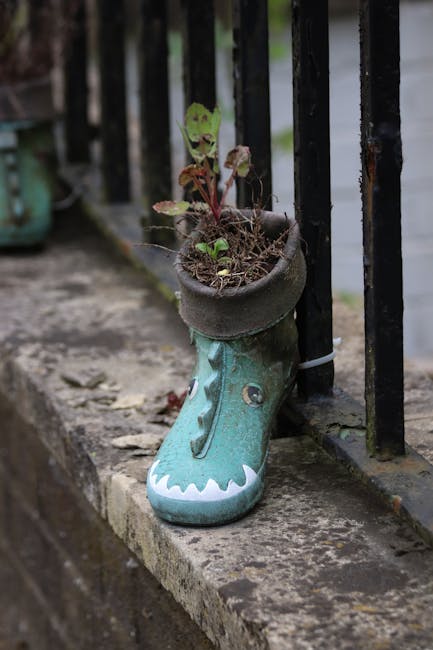
Gascoigne Estate Barking front garden gardeners for tight spaces
If you live in Gascoigne Estate and your front garden feels more like a narrow strip than a proper outdoor space, you are not alone. A small frontage can be tricky, especially when you want it to look neat, stay low-maintenance, and still feel welcoming. That is exactly where Gascoigne Estate Barking front garden gardeners for tight spaces can make a real difference. The right approach is not about forcing in too much. It is about making every inch work harder, looking better, and feeling easier to live with. A well-planned compact front garden can soften a brick facade, improve kerb appeal, and make the whole house feel more settled. Simple really. Not always easy, though.
In this guide, we will look at how compact front garden gardening works in a dense East London setting, what to expect from a good gardener, and how to avoid the common mistakes that make small spaces feel even smaller. You will also find practical ideas, a comparison table, a checklist, and a realistic example based on the kind of space many Gascoigne Estate homes have. If you are comparing services, you may also want to review the available gardening services and the pricing and quotes information before you decide what is right for your garden.
Table of Contents
- Why Gascoigne Estate Barking front garden gardeners for tight spaces Matters
- How Gascoigne Estate Barking front garden gardeners for tight spaces Works
- Key Benefits and Practical Advantages
- Who This Is For and When It Makes Sense
- Step-by-Step Guidance
- Expert Tips for Better Results
- Common Mistakes to Avoid
- Tools, Resources and Recommendations
- Law, Compliance, Standards, or Best Practice
- Options, Methods, or Comparison Table
- Case Study or Real-World Example
- Practical Checklist
- Conclusion
- Frequently Asked Questions
Why Gascoigne Estate Barking front garden gardeners for tight spaces Matters
Small front gardens carry more weight than people sometimes realise. They are the first thing you see when you step outside, and the first thing visitors notice before they even reach the door. In a place like Gascoigne Estate, where homes often have limited frontage, the front garden has to do a lot with very little room. That means a poor layout shows immediately: overgrown edges, awkward bins, mismatched pots, or a patchwork of weeds can make the whole entrance feel tired.
Working with gardeners who understand tight spaces matters because compact gardens need restraint as much as creativity. If you overplant, the space can look cramped within a season. If you leave too much open hardstanding, it may feel stark and uninviting. The balance is delicate. A good front garden plan should improve flow, keep access clear, and make maintenance realistic for your actual lifestyle, not some ideal version of it that never survives a wet February.
There is also a practical side. Small front gardens in Barking often sit close to pathways, fences, walls, and front boundaries. That means planting choices need to suit shade, wind, and root spread, while still coping with daily foot traffic, parcel deliveries, and the occasional pushchair or bicycle. A tidy entrance can also reduce small frustrations. No more clipped branches scratching your coat as you unlock the door. No more muddy patches from a plant bed that never quite drains properly. Little things, but they add up.
Expert summary: In a tight front garden, the goal is not to pack in more. The goal is to create clarity, softness, and easy upkeep in a space that has to work hard every single day.
For homeowners who want a more polished finish but do not want a full landscaping overhaul, a focused front-garden service can be a sensible middle ground. It is also worth checking the gardener's approach to trust and site conduct. Pages such as about the team, insurance and safety, and the health and safety policy are useful signs that a provider takes the work seriously.
How Gascoigne Estate Barking front garden gardeners for tight spaces Works
At its simplest, this type of service starts with understanding the space as it is, not as you wish it were. That means measuring the frontage, noting where light falls, checking for drainage issues, looking at access points, and deciding what needs to stay. A front garden in a tight plot is often a mix of hard surfaces and planting pockets, so the plan has to be precise. Not rigid. Precise.
Most experienced gardeners will break the job into a few stages:
- Assessment: looking at the current layout, problem areas, and what you want the garden to do.
- Practical design: deciding where to place planting, edging, containers, gravel, or simple features that do not overwhelm the area.
- Preparation: clearing debris, reducing overgrowth, improving soil, and making sure the base is ready.
- Implementation: planting, reshaping, edging, mulching, and adjusting the structure so it suits the site.
- Aftercare: defining a maintenance routine that keeps the garden tidy without demanding too much time.
In tight spaces, design decisions are often about depth and layers rather than size. A slim border with repeated plants can look calmer than a crowded bed with ten different species fighting for attention. One or two strong features usually work better than five small ones. This is especially true in front gardens, where people pass by quickly and absorb the whole scene in a glance.
There is also a practical local angle. Narrow front gardens in Barking can be exposed to road dust, urban shade, reflected heat, and a bit of general wear from frequent use. So the work is not just decorative. It is structural, seasonal, and slightly tactical. The good news? Once the basics are right, maintenance gets much easier.
Key Benefits and Practical Advantages
A small front garden done well can change the feel of the entire property. It is one of those improvements that quietly pays you back every day. Here are the main advantages.
- Better kerb appeal: A tidy, balanced frontage makes the home look cared for without shouting for attention.
- Easier upkeep: The right planting and layout reduce time spent weeding, trimming, and correcting mistakes.
- Smarter use of space: Even a narrow garden can support texture, seasonal interest, and structure if it is planned properly.
- Improved access: Clear paths, sensible edging, and controlled planting make coming and going less awkward.
- More privacy and softness: Low hedging, planters, or selected shrubs can soften views from the street without blocking light.
- Longer-lasting results: Proper soil prep and plant selection reduce the need for constant fixes.
There is also a less obvious benefit: a good front garden creates a feeling. You know it when you see it. The front of the house feels calmer, more ordered, and somehow more welcoming. That matters more than people admit. Especially in winter, when the day is grey and a little dreary, and a neat evergreen border or well-placed planter gives the entrance a bit of life.
For landlords and homeowners alike, a compact front garden can also support a more consistent property presentation. If you are trying to keep maintenance costs sensible, it is usually better to choose a practical planting scheme that can be maintained regularly than to keep patching up an overdesigned space. The same idea applies if you want seasonal tidy-ups or recurring visits. Predictable upkeep is often the cheapest upkeep in the long run.
Who This Is For and When It Makes Sense
This kind of service suits a fairly wide group of people, but the common thread is simple: the space is limited and the result needs to be thoughtful.
- Homeowners with narrow front gardens who want a smarter layout without turning the area into a project that takes over their weekends.
- Busy families who need a garden that looks presentable but does not become another household chore.
- Older residents who want something manageable, safe underfoot, and not too physically demanding to maintain.
- Landlords or property managers who need the frontage to stay neat between tenancies or inspections.
- New buyers who want to improve the entrance quickly after moving in.
It makes sense when the space has one or more of these issues: the border is too thin for large shrubs, the front path feels cramped, the garden is visually fragmented, or the planting has become more maintenance-heavy than anyone intended. It also makes sense if you simply want a cleaner first impression. There is no shame in that. A front garden is part of the house, after all.
Truth be told, some people assume a small garden does not need professional help. But a tight space can actually be harder to get right than a larger one. Every choice is more visible. Every mistake looks bigger. Which plant goes where? How high should it grow? Will it crowd the path by August? Those questions matter.
Step-by-Step Guidance
If you are planning a front garden refresh in Gascoigne Estate, this is a sensible way to approach it.
1. Start with what must stay
Before any digging or pruning begins, decide what is essential. That may include the main path, a small bin area, access to meters, a boundary fence, or an existing plant you actually like. A lot of awkward redesigns happen because people start by clearing everything. Then they wonder why the finished space feels blank or chaotic. Fair enough.
2. Measure the usable planting area
In tight spaces, rough guesswork is not enough. Measure widths, note where the light falls, and identify pinch points. If one side gets morning sun and the other stays shaded, you will need different planting choices. If the entrance opens onto a narrow path, avoid anything that spills too much into the route.
3. Choose a design approach
For most compact front gardens, one of three approaches works best: a low-maintenance planting border, a container-led layout, or a hybrid scheme that combines small beds with planters and simple hard landscaping. The right choice depends on how much gardening you want to do and how much room you actually have.
4. Prepare the soil properly
Even small beds benefit from careful preparation. Clear weeds, remove compacted debris, improve the soil structure if needed, and make sure water can drain away. A tiny bed with poor soil can become a frustration factory very quickly.
5. Plant for scale, not just colour
Choose plants that stay proportionate. Repeated forms usually work best in narrow front gardens: compact evergreen shrubs, clipped shapes, seasonal perennials, and grasses that do not flop over the path. Colour is lovely, yes, but shape and size matter just as much.
6. Finish with edging and mulch
Clean edges help a small garden feel intentional. Mulch suppresses weeds and gives the space a neat, finished appearance. It also helps hold moisture, which is useful during warmer spells. A simple finish can be the difference between "quite nice" and "that looks really sorted".
7. Set a realistic maintenance rhythm
Once the work is done, plan how it will stay that way. Maybe it needs a quick tidy every few weeks during the growing season and a more careful trim in autumn. A front garden should fit your life, not the other way round.
Expert Tips for Better Results
These are the kinds of small decisions that make a big difference in compact front gardens.
- Repeat planting groups. Three or five of the same plant often looks calmer than a mixed jumble.
- Keep the tallest growth near the boundary, not near the path or doorway.
- Use evergreen structure so the garden still has shape in winter.
- Leave breathing room. Empty space is not wasted space in a small garden.
- Choose one focal point. A container, specimen shrub, or simple feature can anchor the design.
- Think about sightlines from the street. The garden should read well from a few metres away.
One useful trick is to stand at the gate and look at the frontage as if you were passing by. Does the eye know where to land, or does it wander around confused? That quick check says a lot. Another good habit is to avoid planting purely for the first month after installation. Ask how it will look in six months. And in the wet season. Because the wet season always arrives, of course.
If you want the work handled by a team that also considers disposal and responsible working practices, it can help to look at the provider's recycling and sustainability approach. Small gardens create surprisingly large amounts of waste when they are cleared properly, so responsible removal matters more than people think.
Common Mistakes to Avoid
Small front gardens invite a few classic mistakes. These crop up again and again, and usually for understandable reasons. The issue is that they are expensive to correct later.
- Overplanting: Too many species, too closely spaced, can make the area feel crowded almost immediately.
- Ignoring growth habit: A plant may look neat when bought, then spread far beyond the intended space.
- Choosing style before function: Nice-looking features that block access or make maintenance awkward are a short-lived win.
- Forgetting drainage: A small border with waterlogging problems tends to decline fast.
- Using too many tiny features: Multiple pots, ornaments, and edging styles can make the space feel messy.
- Neglecting seasonal upkeep: Tight spaces need little and often, not once-a-year panic gardening.
Another common problem is trying to make a front garden "fancier" than it needs to be. A compact frontage in Gascoigne Estate usually benefits more from calm structure than from novelty. Less is often more. Not in a bland way. In a confident way.
And let's be honest, a front garden is not the place to test every unusual plant you have ever seen on a weekend wander. Some experiments are best kept for the back garden, where nobody has to see the results quite so directly.
Tools, Resources and Recommendations
A good gardener will usually arrive with the right tools for the task, but it helps to know what tends to be useful in tight-space front garden work.
| Tool or resource | Why it helps in a tight front garden | Best used for |
|---|---|---|
| Hand pruners and snips | Precise cutting without damaging nearby plants or boundary edges | Light shaping, deadheading, tidy trimming |
| Border fork and hand trowel | Better control in small beds and confined soil areas | Planting, soil improvement, weed removal |
| Mulch or compost | Helps suppress weeds and improves the finish | Bed preparation and aftercare |
| Compact evergreen shrubs | Give year-round structure without taking over | Low-maintenance front borders |
| Planters or containers | Useful where soil space is limited or awkward | Flexible design and seasonal updates |
| Simple edging material | Makes the garden look ordered and easier to maintain | Boundary definition and neat lines |
For service expectations and the kinds of work that may be included, it is sensible to review the services overview. If you are comparing package options or want to understand budgeting before booking, the pricing and quotes page is a practical place to start. And if you need to ask a specific question about access, timing, or the condition of the garden, the contact page is the obvious next step.
Law, Compliance, Standards, or Best Practice
For front garden work, the most relevant standards are usually practical ones rather than complicated legal ones. That said, good gardening businesses should still work carefully and sensibly. If a task involves tools, debris removal, sharp edges, trip hazards, or access through a shared area, the team should be clear about safety and housekeeping. This is especially important in compact residential streets where a small slip or blocked path can become an inconvenience quickly.
In the UK, best practice usually means tidy working, respectful access, clear communication, and proper handling of waste. If plants, soil, or old materials are removed, it should be done in a way that is safe and responsible. You do not need a legal lecture for a front garden tidy-up, thankfully. But you do want a team that acts professionally, protects the property, and leaves the entrance safe to use.
When choosing a gardener, it is sensible to check basic trust signals such as company information, payment clarity, policies, and safety commitments. Useful pages include insurance and safety, health and safety policy, and terms and conditions. If you care about how personal information is handled, you can also review the privacy policy and cookie policy. None of that is glamorous, but it does build trust. And trust matters.
Options, Methods, or Comparison Table
Not every tight front garden needs the same solution. Here is a simple comparison of common approaches.
| Method | Best for | Pros | Trade-offs |
|---|---|---|---|
| Low-maintenance border planting | Homes with a small soil strip and some sun or partial shade | Natural look, seasonal interest, minimal clutter | Needs good plant choice and occasional pruning |
| Container-led design | Very narrow or awkward spaces | Flexible, easy to refresh, good for renters or frequent changes | Containers dry out faster and need regular watering |
| Mixed hard and soft landscaping | Front gardens needing structure and access clarity | Neat, durable, clear layout | Requires more planning and a higher initial effort |
| Simple tidy-and-maintain service | Gardens already close to the desired look | Quick improvement, practical upkeep | Less transformative than a redesign |
In most cases, the best answer is not one method alone. It is a blend. A narrow border may need one or two containers, or a hard edge may benefit from a soft planting strip. The trick is avoiding visual noise. A small space can handle elegance. It cannot handle chaos. Well, not for long anyway.
Case Study or Real-World Example
Consider a typical Gascoigne Estate frontage: a short path to the door, a small bed beside the wall, patchy weeds, and a couple of tired shrubs that used to be neat once upon a time. The owners want a better-looking entrance, but they do not want anything high maintenance. They also want to keep access clear for pushchairs and deliveries.
A sensible approach would be to clear the bed, reduce the overgrown shrubs, improve the soil, and replant with a small number of compact evergreens and seasonal perennials. A narrow line of edging could separate the planting from the path, and one larger container near the entrance could give the garden a focal point without cluttering the walkway. The result would not be dramatic in a loud way. It would just feel right. Balanced, tidy, calmer.
What changed most in this kind of project is usually not the plant count. It is the feel of the entrance. The door suddenly looks framed rather than swallowed. The path looks intentional. The whole frontage starts doing its job again. That is the real win.
If you are at the planning stage, it can help to speak with a local team that understands compact front garden work in Barking rather than guessing from generic advice online. A short conversation can save a lot of second-guessing later.
Practical Checklist
Use this checklist before you book work or start planning a redesign.
- Have you measured the usable space, not just the overall frontage?
- Do you know which plants or features must stay?
- Is the main purpose of the garden clear: neatness, low maintenance, softness, privacy, or a mix?
- Have you allowed enough room for access and daily use?
- Are the chosen plants suitable for the light levels and available space?
- Will the layout still look good in winter as well as summer?
- Is drainage likely to be an issue?
- Do you know how much upkeep you are realistically willing to do?
- Have you checked the provider's trust, safety, and payment information?
- Do you have a clear next step for getting a quote or asking questions?
If you can answer most of those with confidence, you are already ahead of the curve. If not, that is fine too. Better to sort the fundamentals now than to end up with a front garden that looks tidy for two weeks and then starts arguing with itself by August.
Conclusion
Small front gardens in Gascoigne Estate can be beautiful, practical, and easy to live with, but they need careful handling. The best results come from thoughtful planting, clear structure, realistic maintenance, and an understanding of how tight spaces behave over time. A good gardener will not just make the space look better for one day. They will help it work better all year round.
Whether you want a smarter entrance, a lower-maintenance layout, or simply a more welcoming first impression, the right approach makes a noticeable difference. Start with the size of the space, the way you actually use it, and the level of upkeep you are comfortable with. That is where good decisions begin. Not with a trendy plant list. Not with a rushed cleanup. With the space in front of you, exactly as it is.
Get a free quote today and see how much you can save.
Frequently Asked Questions
What do Gascoigne Estate Barking front garden gardeners for tight spaces usually do?
They focus on making small or narrow front gardens look neat, balanced, and easy to maintain. That may include pruning, replanting, edging, soil improvement, container planning, and simple layout changes that suit a compact frontage.
Is a small front garden worth paying for professionally?
Usually, yes. Tight spaces are often harder to get right than larger gardens because every plant and edge is visible. A professional gardener can save time and help avoid costly mistakes like overcrowding or poor plant choice.
What plants work best in a narrow front garden?
Compact evergreen shrubs, tidy perennials, low-maintenance grasses, and well-behaved seasonal plants tend to work well. The best choice depends on light, drainage, and how much pruning you are willing to do.
How often does a small front garden need maintenance?
That depends on the planting style. A simple tidy-up may be enough every few weeks during the growing season, while more structured planting may need occasional trimming and seasonal care. The aim is usually little and often.
Can a tight front garden still look welcoming?
Absolutely. In fact, compact spaces often look best when they are kept clear, softly planted, and well balanced. A single focal point or repeated planting pattern can make the entrance feel calm and inviting.
What should I ask before booking a front garden gardener?
Ask what is included, how they handle waste, whether they are insured, how they approach safety, and what kind of maintenance the finished garden will need. It also helps to ask for a clear quote and timeline.
Do front garden gardeners handle waste removal?
Often they do, but it is best to check. Some services include green waste removal, while others may separate clearance from garden work. If recycling and disposal matter to you, ask about it early.
How do I make a small front garden look bigger?
Use fewer, stronger features; keep the layout clean; avoid overcrowding; and choose plants with a clear shape. Light colours, simple edging, and open space can also help the garden feel less cramped.
Is a container-based design a good idea for tight spaces?
Yes, especially where soil area is limited or awkward. Containers give flexibility and can be moved or refreshed more easily. The trade-off is that they need more watering and occasional replanting.
What if my front garden has poor soil or drainage?
That is common in small urban front gardens. A good gardener will usually assess the problem first and then improve soil structure, adjust planting choices, or recommend a simpler layout that copes better with the site conditions.
How do I know if I need a full redesign or just a tidy-up?
If the garden already has a decent structure and just needs trimming, clearing, and re-edging, a tidy-up may be enough. If access is awkward, planting is failing, or the space feels cluttered and unbalanced, a redesign is likely more useful.
Where can I find more information about the company and its policies?
You can review the about us page, the services overview, and practical information such as payment and security and complaints procedure. Those pages help you understand how the service is run and what to expect.
A small garden can still make a lovely first impression. Sometimes all it needs is a steadier hand and a bit of care, and then it just settles into itself.